Style Guide

How to Build a Summer Wardrobe

Build a summer wardrobe with breathable fabrics, relaxed silhouettes, and polished outfit formulas that work in heat and humidity.

Article summary

  • Prioritize airflow, dry time, and light structure instead of shopping by summer look alone.
  • Use linen, seersucker, lightweight cotton, and tropical wool where they genuinely improve comfort.
  • Choose relaxed silhouettes that skim the body and still read polished rather than oversized.
  • Build a compact capsule that can cover casual days, city dressing, and warm-weather smart occasions.
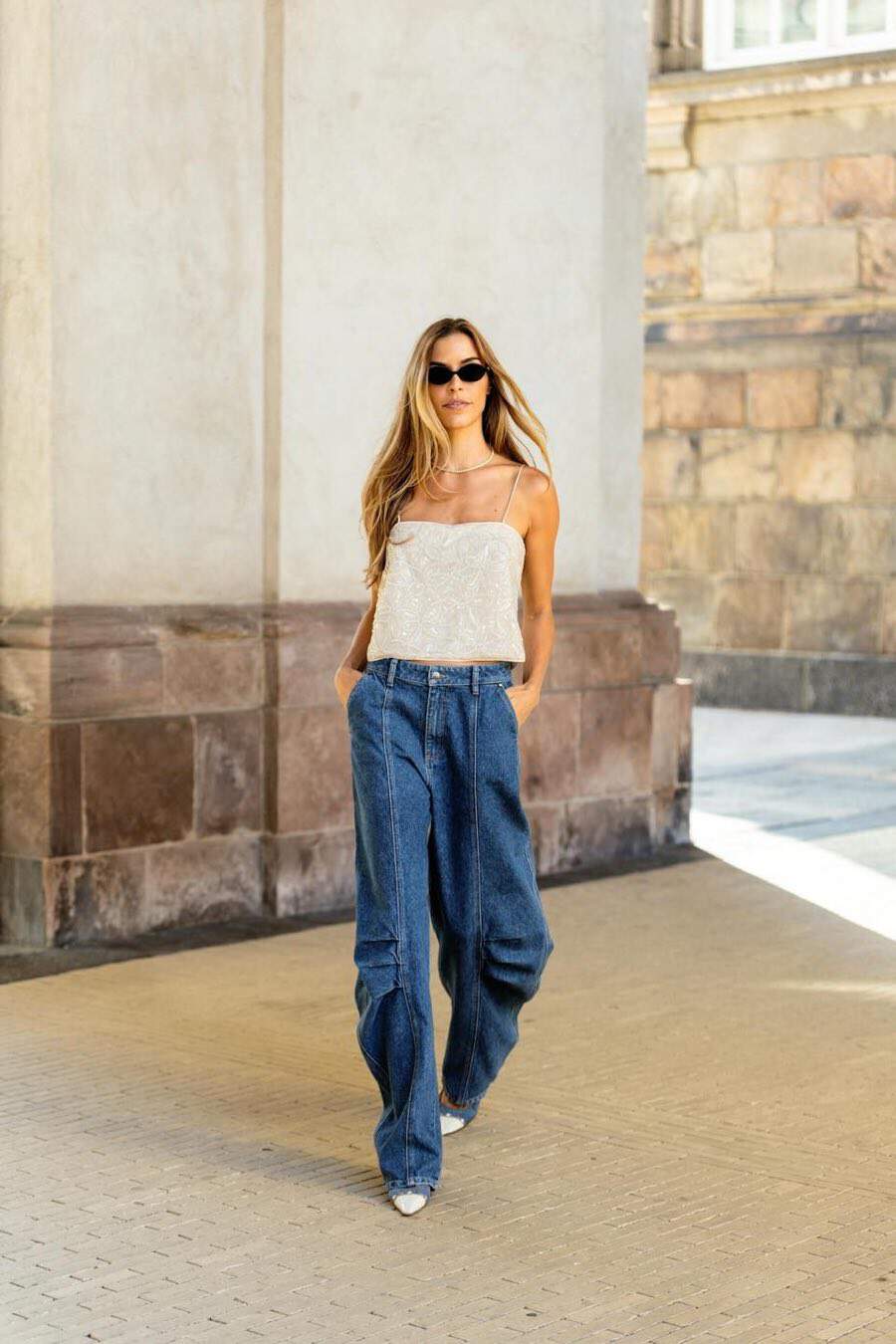
Summer outfit with denim pants and a white tank top

Choose fabrics that release heat instead of trapping it

Summer fabrics do more than affect comfort. They shape how polished an outfit can stay once the heat, humidity, and movement of the day set in. A summer wardrobe gets dramatically better when the clothes are chosen for airflow, dry time, and cling control instead of just looking breezy on a hanger.

This is why fabric matters more in summer than many people expect. A dense cotton tee can feel worse than a lightweight wool trouser. A lined blazer can become unwearable before lunch. Once you start choosing by performance, the wardrobe gets simpler because fewer pieces end up failing in real life.

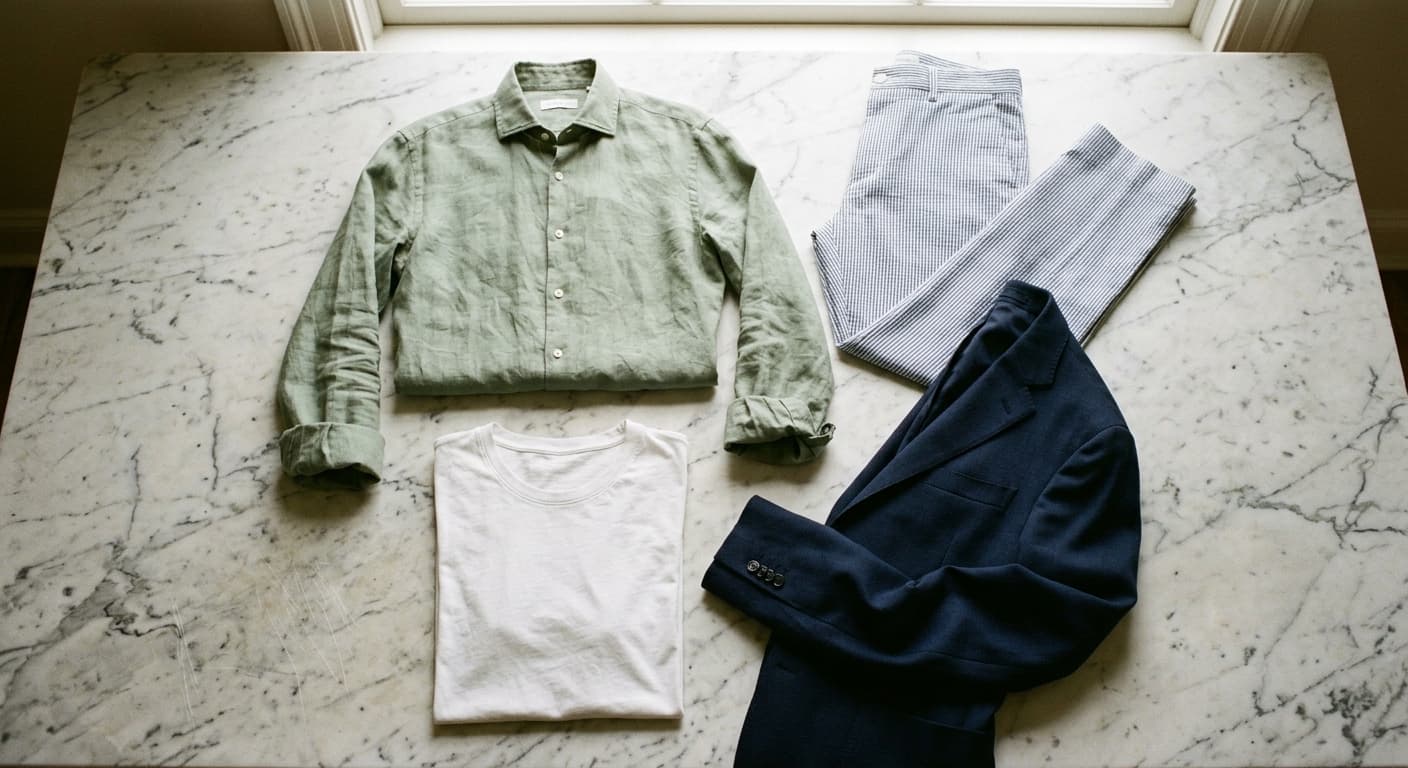
Flat lay of summer fabrics including linen, seersucker, lightweight cotton, and tropical wool

Flat lay of linen shirt, seersucker trouser, lightweight cotton tee, and tropical wool blazer

Linen, seersucker, and tropical wool do the real work

Linen stays essential because it breathes well, dries fast, and creates an easy surface texture that actually belongs in heat. Seersucker is useful for a different reason. Its puckered surface lifts the fabric slightly off the skin, which makes airflow easier and keeps the garment from lying heavy. Tropical wool remains one of the best options for sharper dressing because it drapes better than many cottons while still breathing well.

Lightweight cotton still has a place, especially in shirts and tees, but weight matters. Summer-friendly cotton should feel open and mobile, not dense and stiff. The common mistake is assuming any natural fiber is automatically cool. Structure and fabric weight still decide how the garment performs.

Curated Product Recommendations

Elevated

Alltrueist

WANDA | Egyptian Cotton Pointelle knit Polo Shirt

Shirts

WANDA | Egyptian Cotton Pointelle knit Polo Shirt
Elevated

COS

Men’s Belted Linen Blend Relaxed-Fit Wide-Leg Pants

Trousers

Men’s Belted Linen Blend Relaxed-Fit Wide-Leg Pants
Designer

Max Mara

Wool seersucker trousers

Trousers

Wool seersucker trousers

Use relaxed silhouettes without losing shape

Summer dressing needs space around the body, but that is not the same as wearing everything oversized. The best warm-weather silhouettes skim rather than squeeze. They let air move while still keeping a clean outline. That might mean a wider trouser, a camp shirt with some room through the chest, or a dress with swing but not excess bulk.

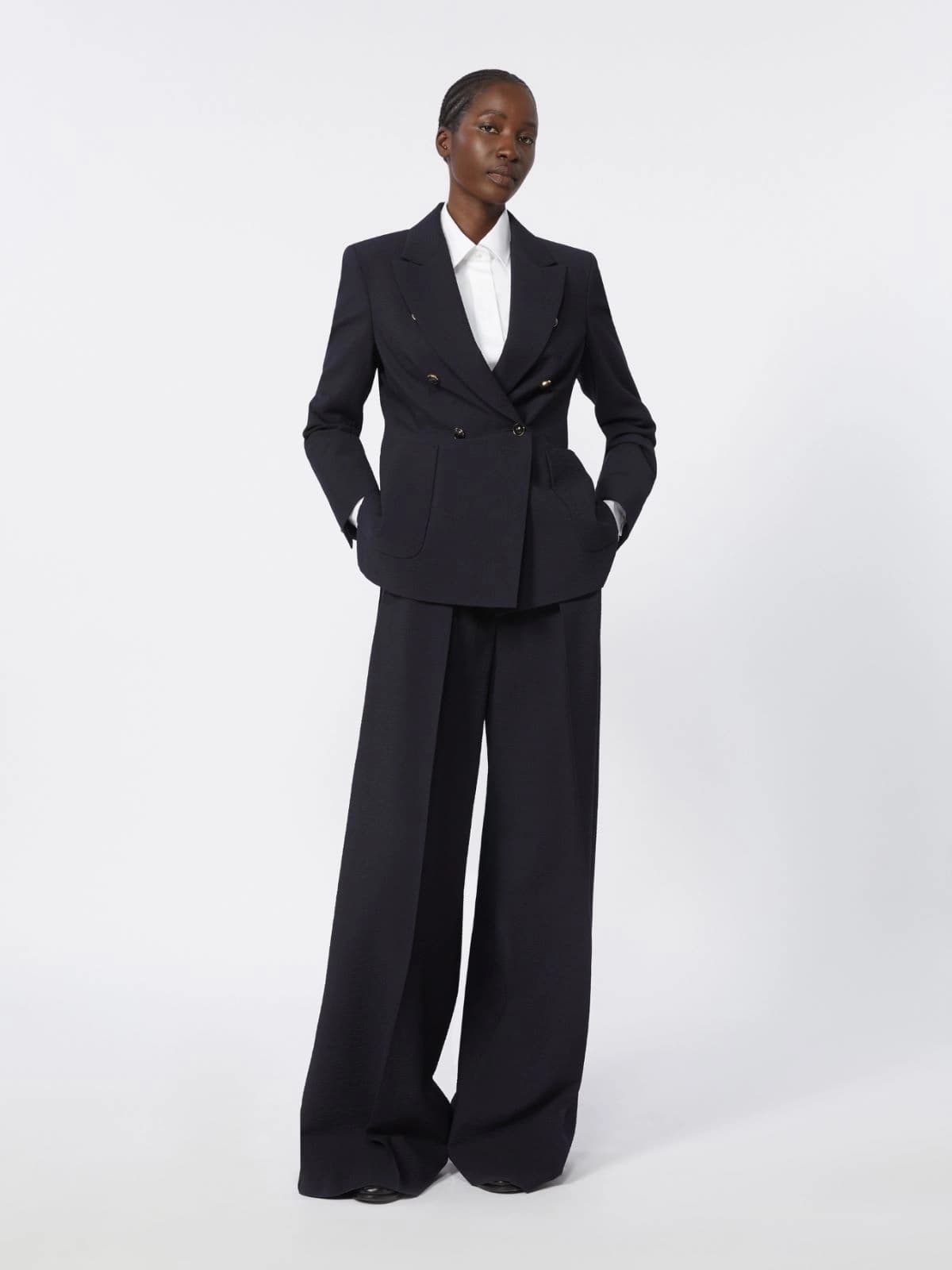
Tailoring still matters here. Pleats, darts, and a good shoulder line can keep relaxed pieces from looking limp. The goal is polish with breathing room. If the clothes look swallowed by air, they will read sloppy faster than they will read effortless.

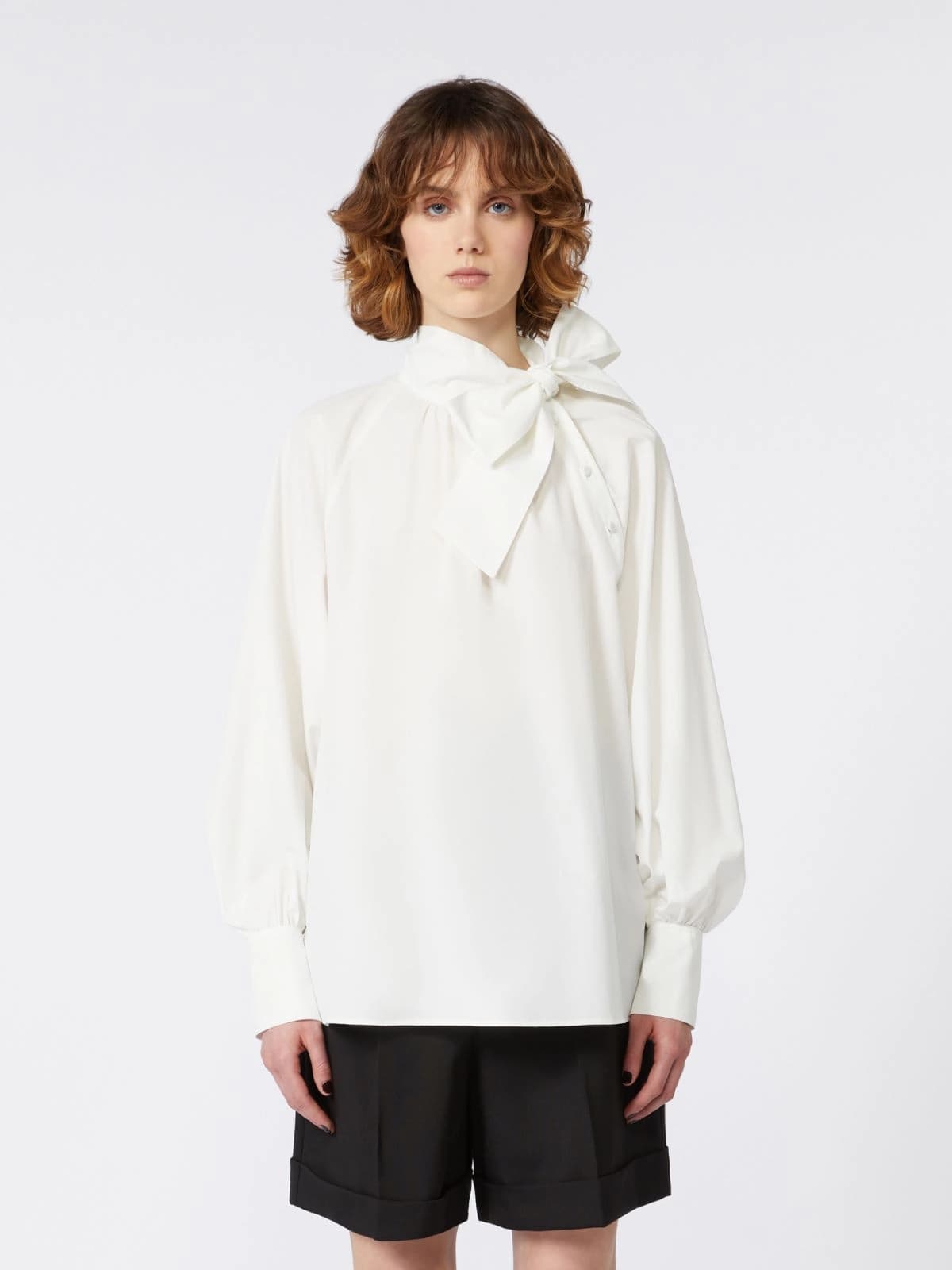
Editorial example of relaxed summer tailoring with airflow and clean lines

Relaxed summer tailoring with lightweight blazer and trousers

Build a summer capsule that covers more than vacation

A good summer wardrobe should cover more than beach weekends. It should work for city heat, casual days, dinners, travel, and offices that still expect a little polish. That is why the summer capsule needs a balance of easy pieces and sharper ones.

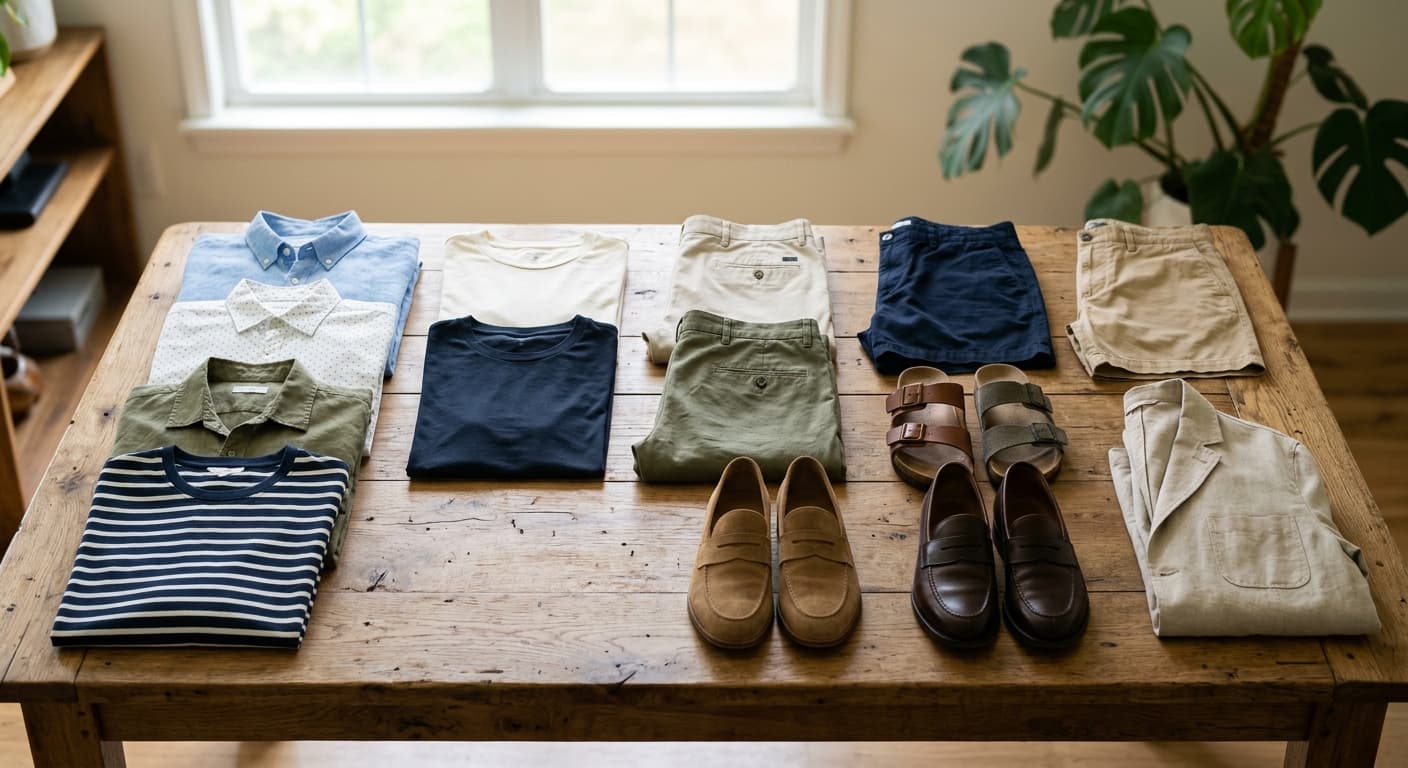
A useful structure is three to four tops, two to three bottoms, one or two light layers, and a small but flexible shoe rotation. Think linen shirt, clean tee, open knit or polo, relaxed trouser, short or skirt if relevant to your wardrobe, one sharper trouser, and a breathable outer layer for air-conditioning or evening. The point is to keep the capsule compact without making it one-note.

Summer capsule wardrobe with tops, bottoms, shoes, and light layers

Summer capsule wardrobe with tops, bottoms, shoes, and light layers

Choose pieces that can move between casual and polished

A linen shirt earns its place because it works open over a tee, tucked into a trouser, or under an overshirt in a cold office. A lightweight trouser matters because it gives you an option beyond shorts without making the outfit feel heavy. Sandals, loafers, and one clean sneaker or slingback usually cover more than people expect when the rest of the wardrobe is coherent.

Summer capsules become wasteful when every piece is locked into one setting. The better question is always how many contexts the piece can cover. If a garment only works on vacation, it should not dominate the core of a daily summer wardrobe.

Curated Product Recommendations

Elevated

COS

Men’s Cotton Cropped Barrel-Leg Pants

Trousers

Men’s Cotton Cropped Barrel-Leg Pants

Use color and print to wake things up without creating chaos

Summer can support more brightness than winter, but that does not mean every outfit should be loud. The cleanest approach is still to start with a stable base such as white, cream, beige, pale blue, olive, or washed navy. Then add energy through one or two accent directions such as coral, sky blue, rich green, stripe, or small-scale print.

Print works best when it has one job. A striped shirt or a geometric camp shirt can lift a simple outfit quickly, but if the whole wardrobe starts demanding equal attention, the combinations shrink. The strongest summer wardrobes use color and print to add freshness, not to replace structure.

Summer palette board with white, beige, pale blue, coral, and subtle print references

Summer palette board with white beige pale blue coral stripe and geometric print references

Photo by Fiona Murray on Pexels

Keep layering useful even in hot weather

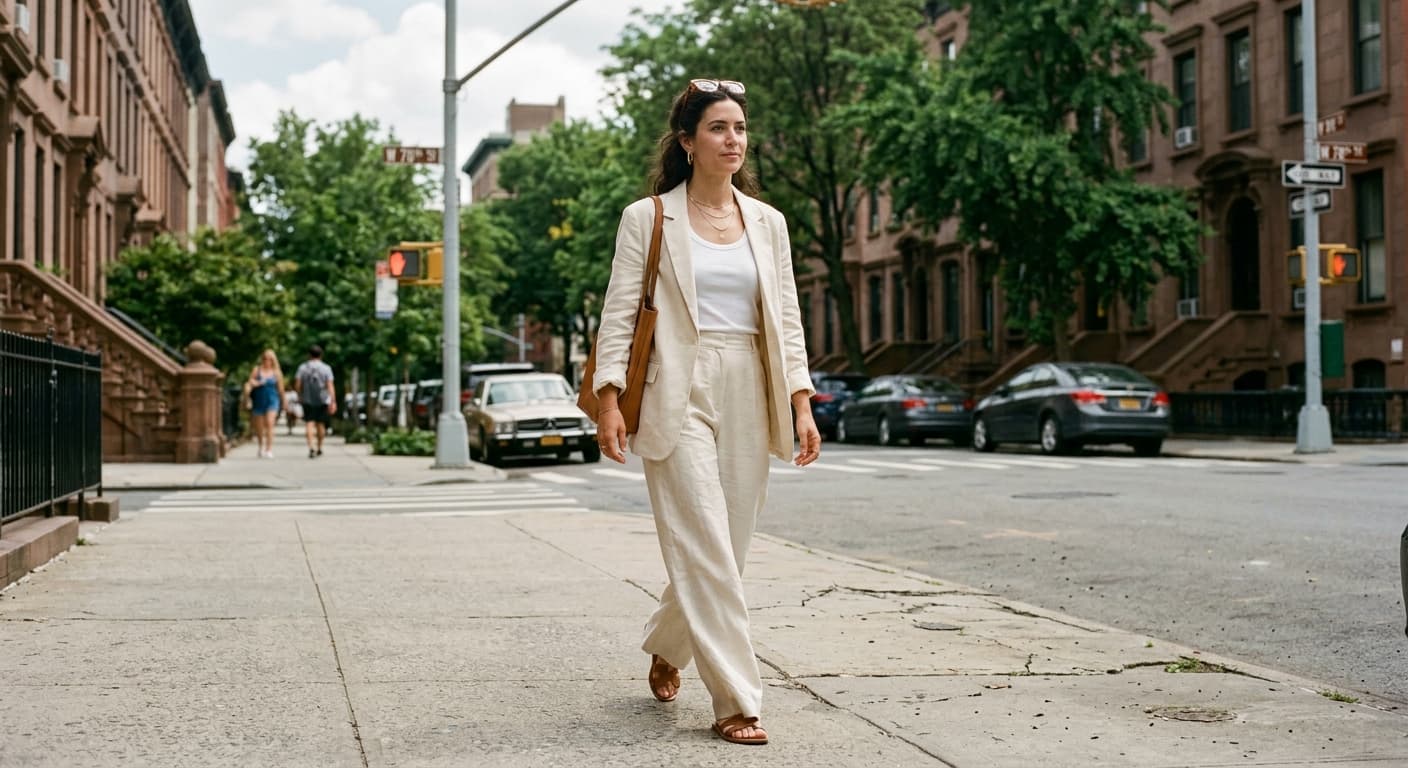
Layering still matters in summer because not every environment runs hot. Offices, transit, evening breezes, and restaurants can all make a purely stripped-down outfit feel underprepared. The trick is choosing summer layers that solve temperature changes without trapping heat the rest of the time.

An unlined overshirt, a tropical wool blazer, or a light cotton-linen layer can do that job well. So can a moisture-wicking undershirt worn invisibly under a shirt or knit. Summer layering should feel removable and low-bulk. If the layer becomes a burden to carry, it is probably too heavy for the season.

Turn the capsule into repeatable summer outfit formulas

The best summer wardrobe is the one that produces repeatable formulas fast. A casual formula might be linen camp shirt, easy trouser or short, sandal, and sunglasses. A city smart-casual formula might be open knit polo, lightweight trouser, woven belt, and loafer. A more polished formula might be breathable blazer, clean tee or sleeveless top, tropical wool trouser, and structured shoe.

These formulas matter because heat reduces patience. If getting dressed feels high effort, the wardrobe will drift toward the same emergency fallback outfit every day. When the formulas are already proven, summer dressing becomes much easier and much more consistent.

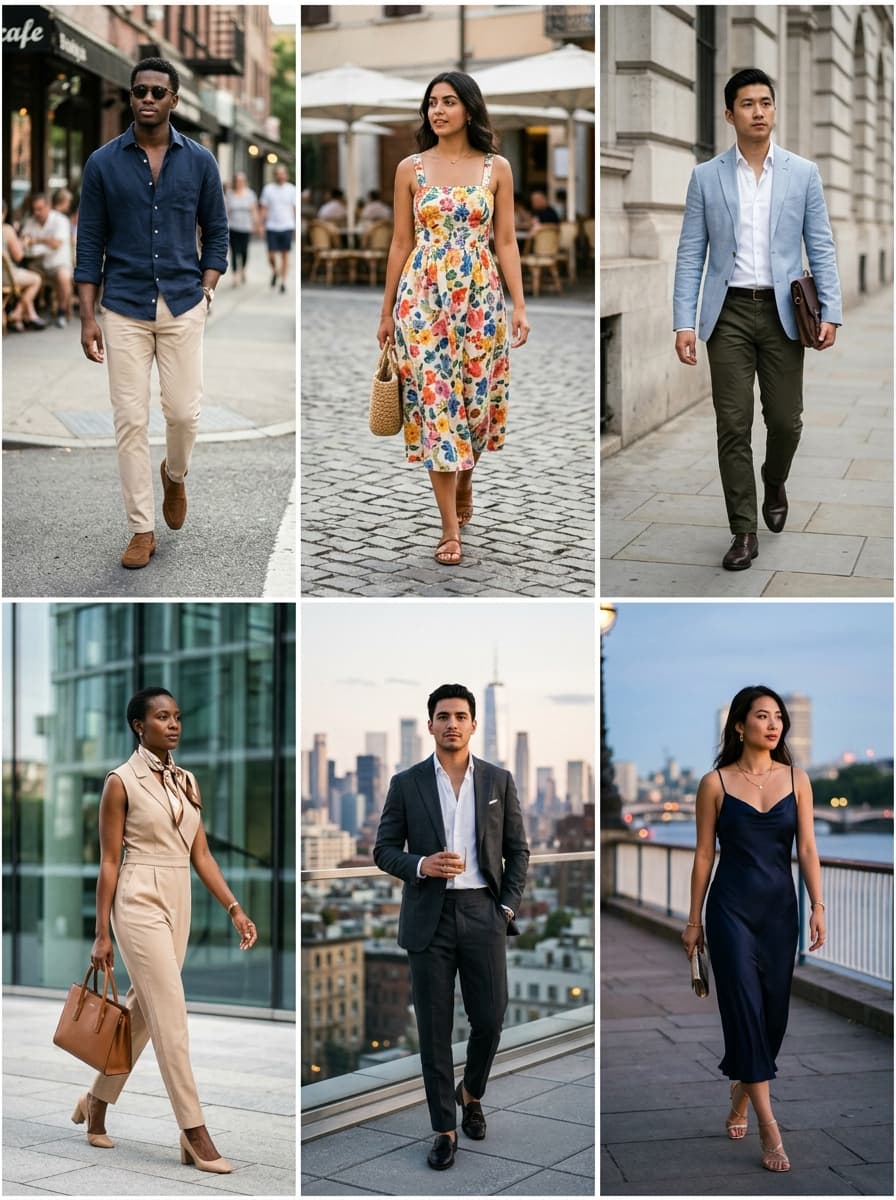
Collage showing casual, office, and evening summer outfits

Collage showing casual, office, and evening summer outfits

Build around a few warm-weather uniforms

A strong warm-weather uniform keeps the same logic while changing the surface. One day that might be linen shirt, easy trouser, and loafer. Another day it becomes lightweight tee, seersucker trouser, and sandal. The system stays coherent even as the mood shifts.

This is where thoughtful shopping matters. Each new summer piece should make at least two or three formulas easier. If it only creates one aspirational look, it is probably not strengthening the wardrobe enough.

Curated Product Recommendations

Elevated

Meermin

Black Calf Horsebit Loafer

Footwear

Black Calf Horsebit Loafer
Elevated

Alltrueist

CLAUDIA | Navy Grosgrain - Slingback Sandals

Footwear

CLAUDIA | Navy Grosgrain - Slingback Sandals

Common Mistakes

Assuming all lightweight-looking fabrics behave the same

A thin fabric can still trap heat or cling badly. Summer clothing gets better when you choose for airflow and dry time, not appearance alone.

Going oversized instead of relaxed

Airflow helps, but too much volume can make summer outfits feel sloppy. Aim for room and movement with a clean line.

Building only a vacation wardrobe

A useful summer closet should cover real daily life, not only beaches and weekends. Include at least a few pieces that still feel polished.

Ignoring layering because the weather is hot

Air-conditioning and evening temperature shifts still make a light layer useful. The key is choosing one that stays breathable and easy to remove.

Practical Examples

Casual heat-day formula

Linen or cotton camp shirt, easy short or trouser, sandal, and sunglasses keep the outfit light while still looking considered.

Office-ready summer formula

Breathable blazer, clean tee or light blouse, tropical wool trouser, and loafer give you polish without the usual warm-weather heaviness.

Summer capsule with range

Three tops, two trousers, one short or skirt, one light layer, and three shoes can create enough variety when the palette and fabric choices stay coherent.

Color without clutter

Use white, cream, beige, or pale blue as the base, then add one coral, green, or striped piece so the outfit feels fresh without losing control.

Product Call-Out Ideas

Summer fabric categories worth prioritizing

  • linen shirt
  • seersucker trouser
  • lightweight cotton tee
  • tropical wool trouser
  • open knit polo

Warm-weather accessories that actually help

  • sunglasses
  • woven belt
  • lightweight tote
  • breathable sandal

Smart summer layers

  • cotton-linen overshirt
  • unlined blazer
  • light cardigan
  • moisture-wicking undershirt

HiLo Takeaway

A summer wardrobe works when it is built around performance first and mood second. Breathable fabric, clean relaxed shape, and real outfit range matter more than seasonal aesthetics alone.

When the capsule is compact and the formulas are proven, summer dressing feels easier, cooler, and far less random. That is the kind of wardrobe HiLo is built to support.

FAQ

What fabrics are best for a summer wardrobe?

Linen, seersucker, lightweight cotton, and tropical wool are usually the strongest because they breathe better, dry faster, and keep shape more effectively in heat.

Does linen wrinkle too much to be practical?

Linen wrinkles, but that texture is part of why it feels relaxed and breathable. If you want less wrinkling, linen blends are usually the easiest compromise.

How do I dress for humid weather without looking sloppy?

Use light fabrics, relaxed but shaped silhouettes, and a stable neutral base. Humidity is easier to handle when the garments skim the body instead of clinging to it.

Can you still layer in summer?

Yes. The right summer layer is light, breathable, and easy to remove. It is most useful for cold interiors, travel, and evenings.

How many shoes do I need for summer?

Usually three strong options are enough: one sandal, one loafer or other polished shoe, and one clean casual option such as a light sneaker or slingback depending on your wardrobe.

Related Guides

Keep reading

View all guides

How to Build a Spring Wardrobe

Build a spring wardrobe with lighter layers, smart fabrics, and repeatable outfit formulas that handle weather swings without making your closet feel random.