Style Guide

Best Fabrics by Season + Red Flags to Watch For

Use this seasonal fabrics guide to choose materials that suit the weather, wear better over time, and avoid common fabric red flags.

Article summary

  • Match fabric performance to season, climate, and activity instead of shopping by look alone.
  • Use wool, cotton poplin, chambray, linen, tropical wool, flannel, corduroy, and denim where they actually make sense.
  • Treat blends as tools when they improve durability or recovery, and as red flags when they trap heat or cheapen drape.
  • Read labels for comfort, structure, and longevity, not just fiber prestige or marketing language.
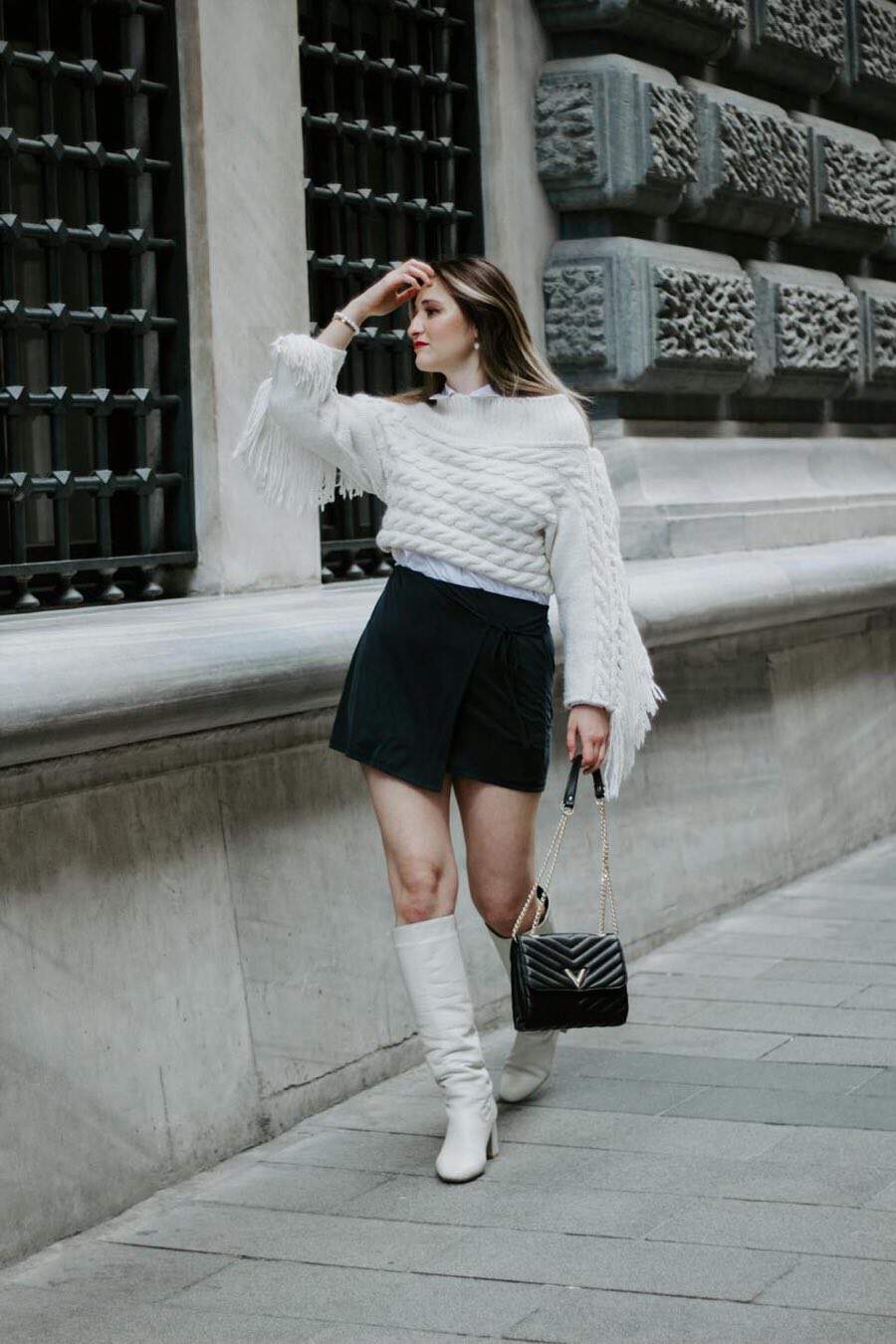
Close-up editorial styling with visible fabric texture and layering

Use climate, weight, and drape as the starting point

Most fabric mistakes come from shopping with the eyes first and the weather second. A beautiful silhouette can still fail if the fabric is too hot, too flimsy, too rigid, or too delicate for the season you need it in. That is why fabric choice matters more than most shoppers realize. The same shirt in poplin, oxford, linen, or brushed flannel behaves like four different garments.

The easiest way to understand fabric is to look at three things together. Climate determines how much insulation or airflow you need. Fabric weight affects warmth, layering, and structure. Drape affects how polished, soft, or architectural the garment feels on the body. Once you start seeing those three variables together, labels become more useful and expensive mistakes become easier to avoid.

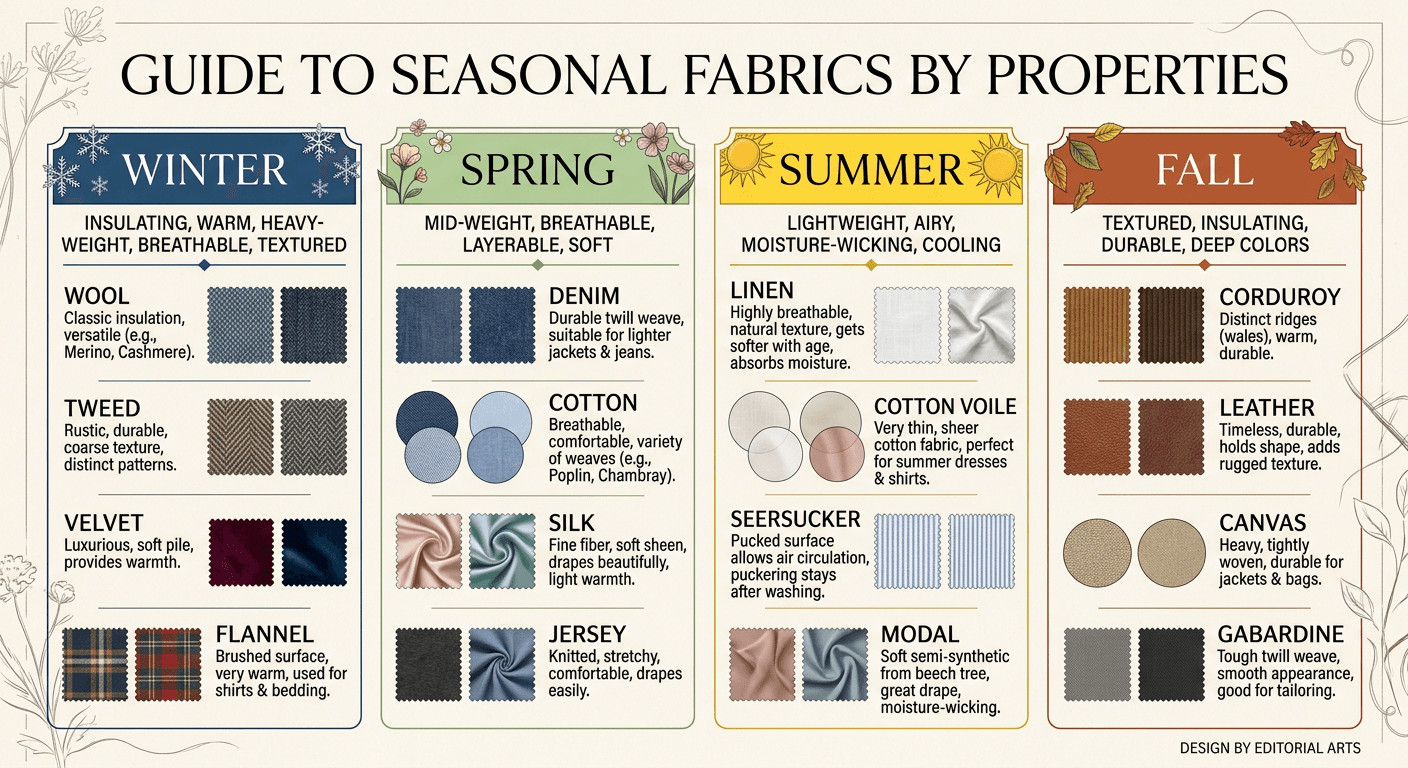
Seasonal fabric chart grouping fabrics by winter, spring, summer, and fall

Editorial seasonal fabric chart grouping winter, spring, summer, and fall fabrics by properties

Winter fabrics should insulate without turning stiff

Winter fabrics need to trap warmth, manage moisture, and still feel good in layered outfits. Wool is the backbone because it insulates well and can absorb moisture without immediately feeling damp. Cashmere offers warmth with less weight, but it usually needs more careful handling. Flannel adds softness and body, while corduroy brings both durability and surface texture.

The key is not simply choosing the heaviest fabric. Heavy fabric can become tiring if the drape is awkward or the garment becomes hard to layer. Winter works best when you combine warm fabrics with sensible structure. A wool coat, flannel trouser, cashmere knit, and sturdy boot each do a different job, and their usefulness comes from that balance.

Close-up comparison of wool, flannel, corduroy, and cashmere textures

Macro close-up comparison of wool, flannel, corduroy, and cashmere textures

Photo by Юлия Зяблова on Pexels

Wool and cashmere are strong when warmth and recovery matter

Wool remains one of the most useful cold-weather fibers because it insulates, breathes, and recovers shape better than many cheaper alternatives. Cashmere can feel softer and lighter, but it usually performs best when the knit density is good and the care is consistent. In both cases, construction matters as much as label language.

If a winter knit feels flimsy, pills quickly, or stretches out after a short wear, the fiber name alone will not save it. Fabric quality lives in yarn, density, finish, and use case, not just the prestige of the material.

Curated Product Recommendations

Staples

NORSE PROJECTS

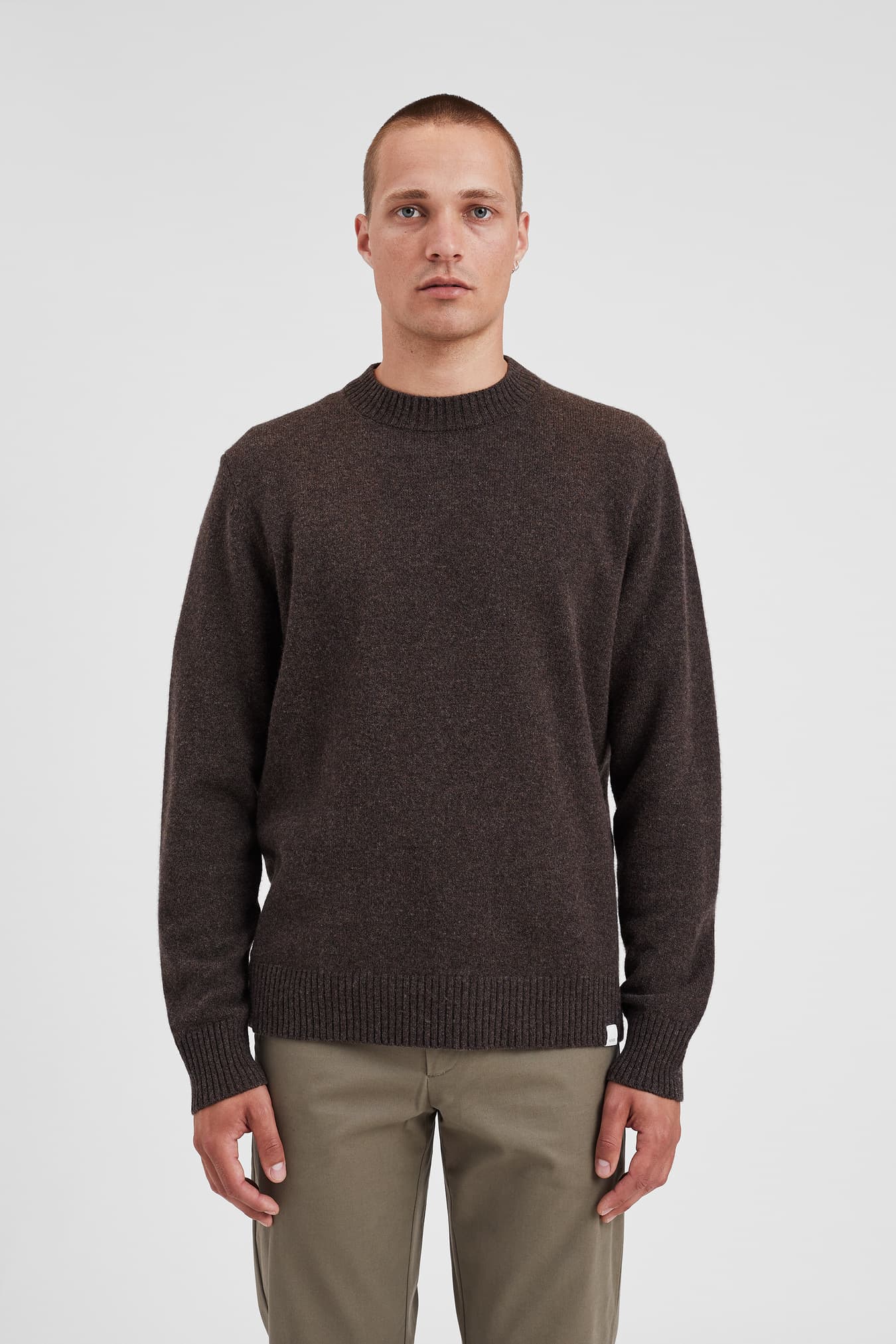
Norse Standard Merino Lambswool Sweater

Knitwear

Norse Standard Merino Lambswool Sweater
Designer

Max Mara

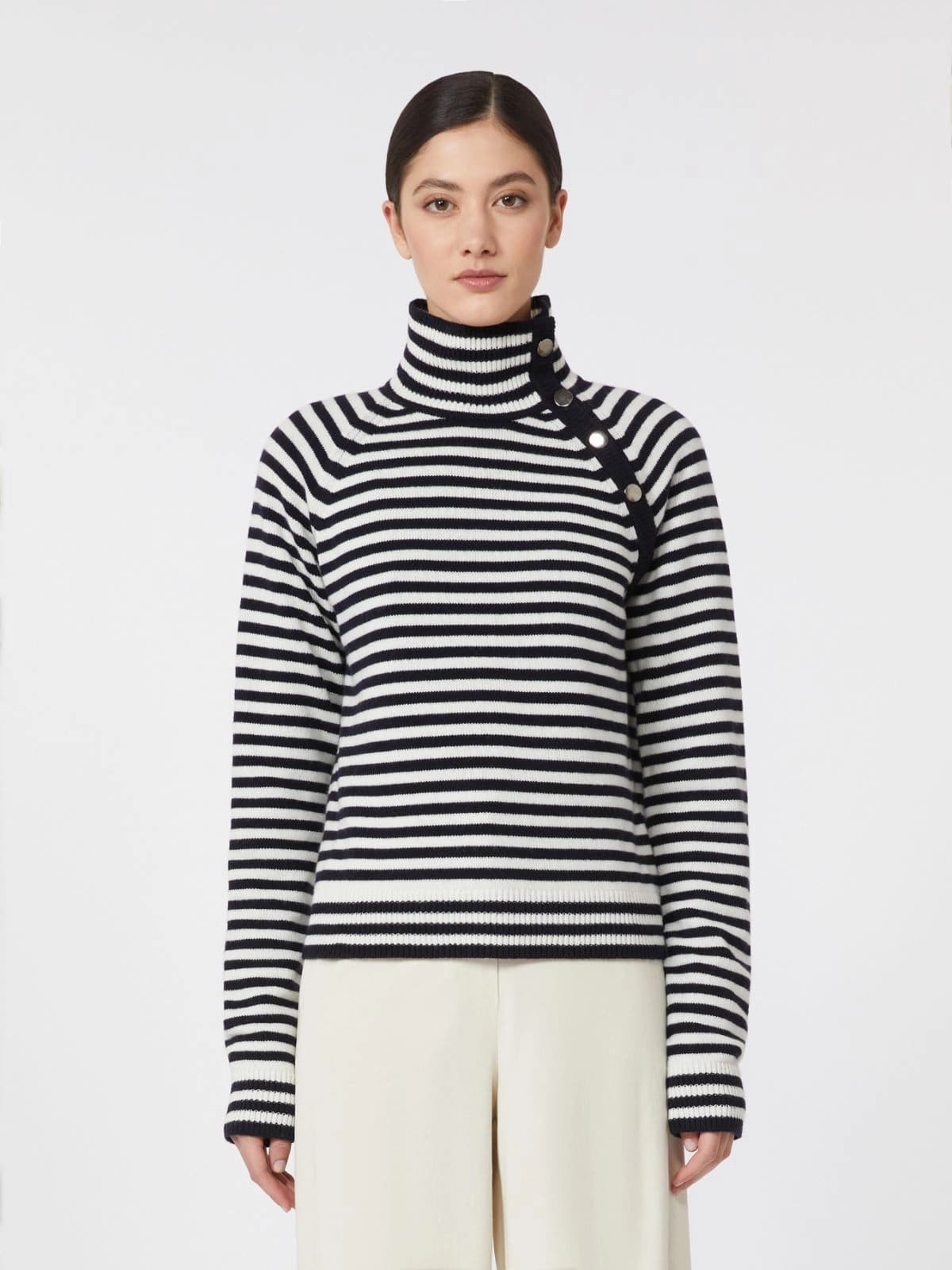
Stockinette-stitched cashmere polo-neck sweater

Knitwear

Stockinette-stitched cashmere polo-neck sweater
Elevated

Alex Mill

Georgia Wrap Coat In Wool Alpaca

Outerwear

Georgia Wrap Coat In Wool Alpaca
Elevated

Meermin

Black Waxy Commander Service Boot

Footwear

Black Waxy Commander Service Boot

Spring fabrics need breathability with enough structure

Spring clothing usually fails in one of two ways. Either it is still too winter-heavy, or it becomes so light that it loses shape and feels unresolved. The middle ground is where spring fabrics earn their place. Cotton poplin, chambray, linen blends, and lightweight wool all help because they breathe better than winter fabrics while still offering enough body for layering.

This is also the season when fabric nuance matters. A shirt can feel spring-ready because the cotton is crisp and airy. A trouser can feel polished because the wool is lightweight instead of dense. These details are what allow a wardrobe to look intentional through changing temperatures.

Rack of cotton shirts with varied patterns

Rack of cotton shirts with varied patterns

Photo by Chris F on Pexels

Poplin, chambray, and light cotton do the transitional heavy lifting

Crisp cottons are useful in spring because they still hold a line. Poplin cleans up easily under tailoring and outerwear. Chambray softens the mood without becoming limp. Light cotton twills and shirtings also bridge casual and polished dressing well, especially when you need a fabric that can layer without bulk.

These are fabrics you wear because they connect the rest of the wardrobe. A poplin shirt can move from office to weekend. A striped oxford can live under knitwear or with jeans. Their value comes from flexibility, not trend.

Curated Product Recommendations

Staples

Province of Canada

Washed Poplin Shirt Navy - Unisex

Shirts

Washed Poplin Shirt Navy - Unisex
Staples

Province of Canada

Oxford Stripe Shirt Navy - Unisex

Shirts

Oxford Stripe Shirt Navy - Unisex
Elevated

COS

Men’s Cotton Straight-Leg Chinos

Trousers

Men’s Cotton Straight-Leg Chinos

Summer fabrics should move air before they do anything else

In summer, breathability and moisture management matter more than almost any other property. Linen stays useful because it releases heat well and dries quickly. Seersucker creates literal space between fabric and skin. Lightweight cotton can work if the weave and weight are right. Tropical wool remains a sleeper option because it breathes better than many people expect and often wrinkles less than linen.

The biggest mistake in hot weather is assuming all lightweight-looking fabric behaves the same. Heavy cotton can still feel oppressive. Cheap polyester can trap heat immediately. A summer wardrobe gets better fast when you learn to prioritize airflow, dry time, and cling control over marketing language.

Summer fabric comparison showing linen, seersucker, lightweight cotton, and tropical wool

Summer fabric comparison showing linen, seersucker, lightweight cotton, and tropical wool on hangers

Photo by Teona Swift on Pexels

Linen, tropical wool, and purposeful blends keep summer polished

Pure linen is excellent when you want airflow and texture, but linen blends can be easier when you need a little more shape or less wrinkling. Tropical wool works well in tailoring because it stays breathable while draping more cleanly than many cottons. These are not technical details for their own sake. They determine whether a summer outfit feels easy or exhausting.

This is where a blend can actually improve a garment. The right mix can help a fabric recover shape, reduce crease severity, or improve durability. The wrong mix makes it sweaty, noisy, plasticky, or lifeless.

Curated Product Recommendations

Elevated

Alltrueist

WANDA | Egyptian Cotton Pointelle knit Polo Shirt

Shirts

WANDA | Egyptian Cotton Pointelle knit Polo Shirt
Elevated

COS

Men’s Belted Linen Blend Relaxed-Fit Wide-Leg Pants

Trousers

Men’s Belted Linen Blend Relaxed-Fit Wide-Leg Pants
Designer

Max Mara

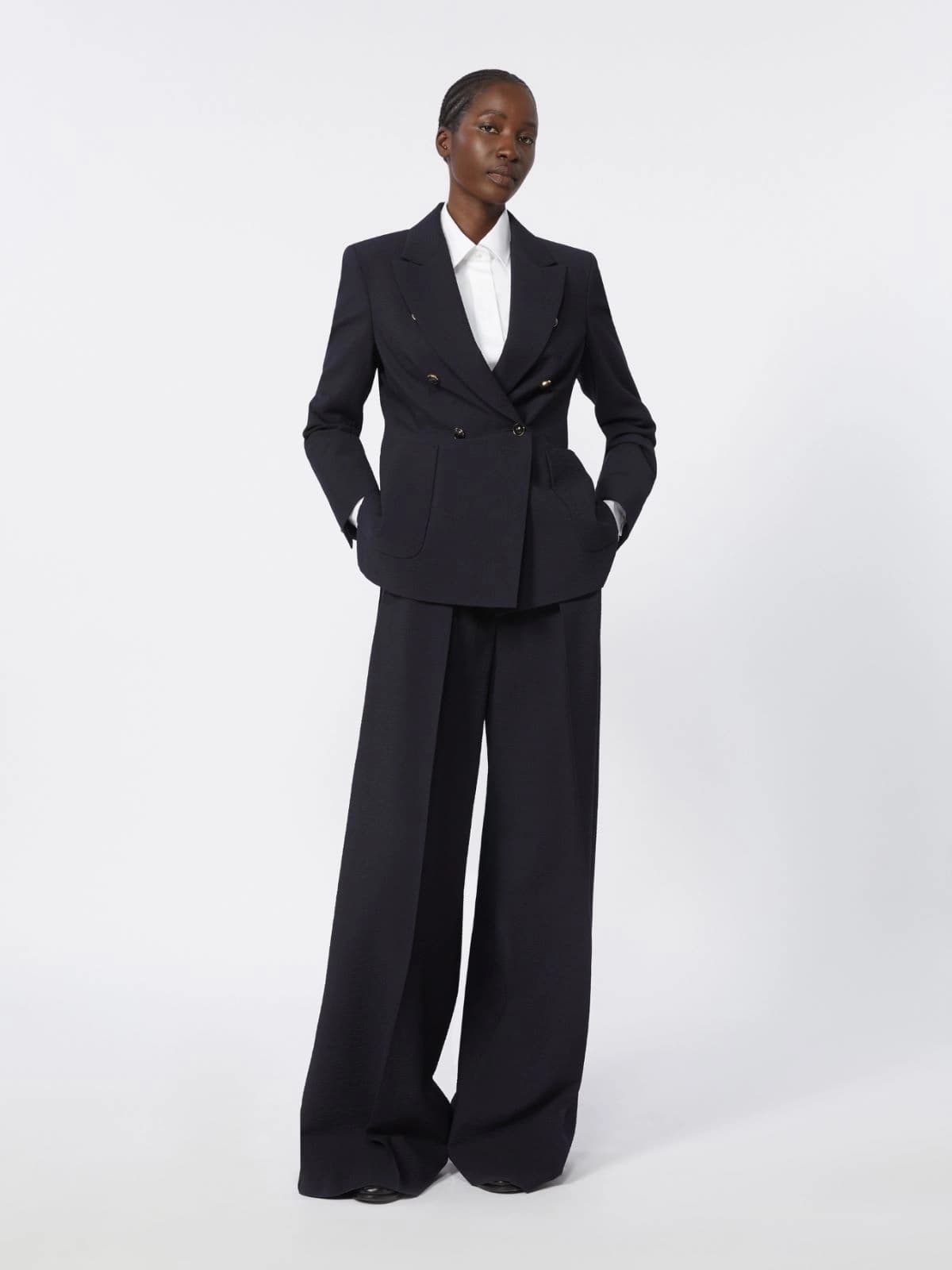
Wool seersucker trousers

Trousers

Wool seersucker trousers

Fall fabrics are where texture earns its keep

Fall is usually less about breathability versus insulation and more about texture, layering, and gradual warmth. Denim, corduroy, tweed, brushed cotton, and wool all become useful because they add depth as well as performance. This is the season where a wardrobe can feel richer without becoming bulky.

A strong fall fabric mix helps outfits look intentional with very little styling effort. Texture does some of the work that color might do in spring or summer. That is why corduroy, brushed wool, suede, and denim remain such reliable fall tools.

Fall texture board with tweed, suede, corduroy, and wool

Texture overview with tweed, suede, corduroy, and wool examples

Photo by shoreline vehicles on Pexels

Beneficial blends versus red flags

Blends are not automatically bad. A small amount of nylon in wool can improve durability. A touch of elastane can help recovery in a trouser. A cotton-linen blend can reduce wrinkling and make a garment easier to wear. These are functional improvements when they support the fabric's job.

Red flags show up when the blend fights the climate or the garment's role. Polyester dominating a summer shirt is usually a warning. Acrylic-heavy knitwear often pills quickly and feels cheap. Inconsistent fiber content across panels can also lead to odd aging and uneven performance. If a fabric feels scratchy, plasticky, stiff in the wrong way, or suspiciously thin for its purpose, believe what your hand is telling you.

Acrylic blend sweaters tend to pill faster and not be as warm as natural fibers

Acrylic blend sweaters tend to pill faster and not be as warm as natural fibers

Photo by www.kaboompics.com on Pexels

Common Mistakes

Choosing fabrics by look alone

A fabric can look seasonally right and still feel awful in practice. Weight, airflow, and drape matter as much as color or silhouette.

Assuming all blends are bad

Some blends improve recovery, reduce wrinkling, or add durability. The issue is whether the blend helps the garment do its job.

Ignoring the percentage breakdown

A trace of elastane is different from a majority of polyester. Read labels closely instead of reacting only to one fiber name.

Buying out of season because the garment looks good online

Without checking weight or fiber content, it is easy to buy a beautiful piece that is unusable in your climate for most of the year.

Practical Examples

Winter office layering

A wool coat, cashmere knit, flannel trouser, and leather boot work because each piece insulates while still layering cleanly.

Spring polish without bulk

A poplin shirt, lightweight wool trouser, and light outer layer give enough structure for transition weather without the heaviness of winter cloth.

Summer tailoring that still breathes

A linen shirt, tropical wool trouser, and loafer usually outperform dense cotton or synthetic blends when the day is hot and humid.

Fall texture with low effort

Corduroy, brushed wool, denim, and suede create visual depth quickly, which is why fall outfits often feel richer with fewer styling moves.

Product Call-Out Ideas

Strong spring fabric categories

  • cotton poplin shirt
  • striped oxford
  • linen blend overshirt
  • lightweight wool trouser

Useful summer fabric choices

  • linen shirt
  • open knit polo
  • tropical wool trouser
  • lightweight cotton tee

Cool-weather texture builders

  • lambswool sweater
  • cashmere knit
  • wool coat
  • service boot

HiLo Takeaway

Fabric is not a small detail. It changes comfort, longevity, silhouette, and how well a wardrobe functions across the year.

When you match fabric to season and use blends purposefully, shopping gets clearer and your closet gets more reliable. That is what makes a wardrobe feel intentional instead of random.

FAQ

What fabrics are best for hot weather?

Linen, seersucker, lightweight cotton, and tropical wool usually perform best because they breathe better and manage heat more effectively than dense or synthetic-heavy fabrics.

Are synthetic fabrics always a red flag?

No. Small percentages of synthetics can improve stretch, recovery, or weather performance. They become a problem when they dominate garments that need airflow or soft drape.

What is a good spring fabric?

Cotton poplin, chambray, linen blends, and lightweight wool are especially useful because they balance breathability with enough structure for layering.

Why does cheap knitwear pill so fast?

Acrylic-heavy fibers, lower yarn quality, and loose construction often lead to quick pilling. Fiber prestige alone is not enough. Density and finish matter too.

How should I choose fabrics for travel?

Choose fabrics that recover well, resist extreme wrinkling, and suit the climate. Tropical wool, strong cottons, and thoughtful blends are often more practical than very delicate or clingy options.

Related Guides

Keep reading

View all guides

How to Build a Spring Wardrobe

Build a spring wardrobe with lighter layers, smart fabrics, and repeatable outfit formulas that handle weather swings without making your closet feel random.