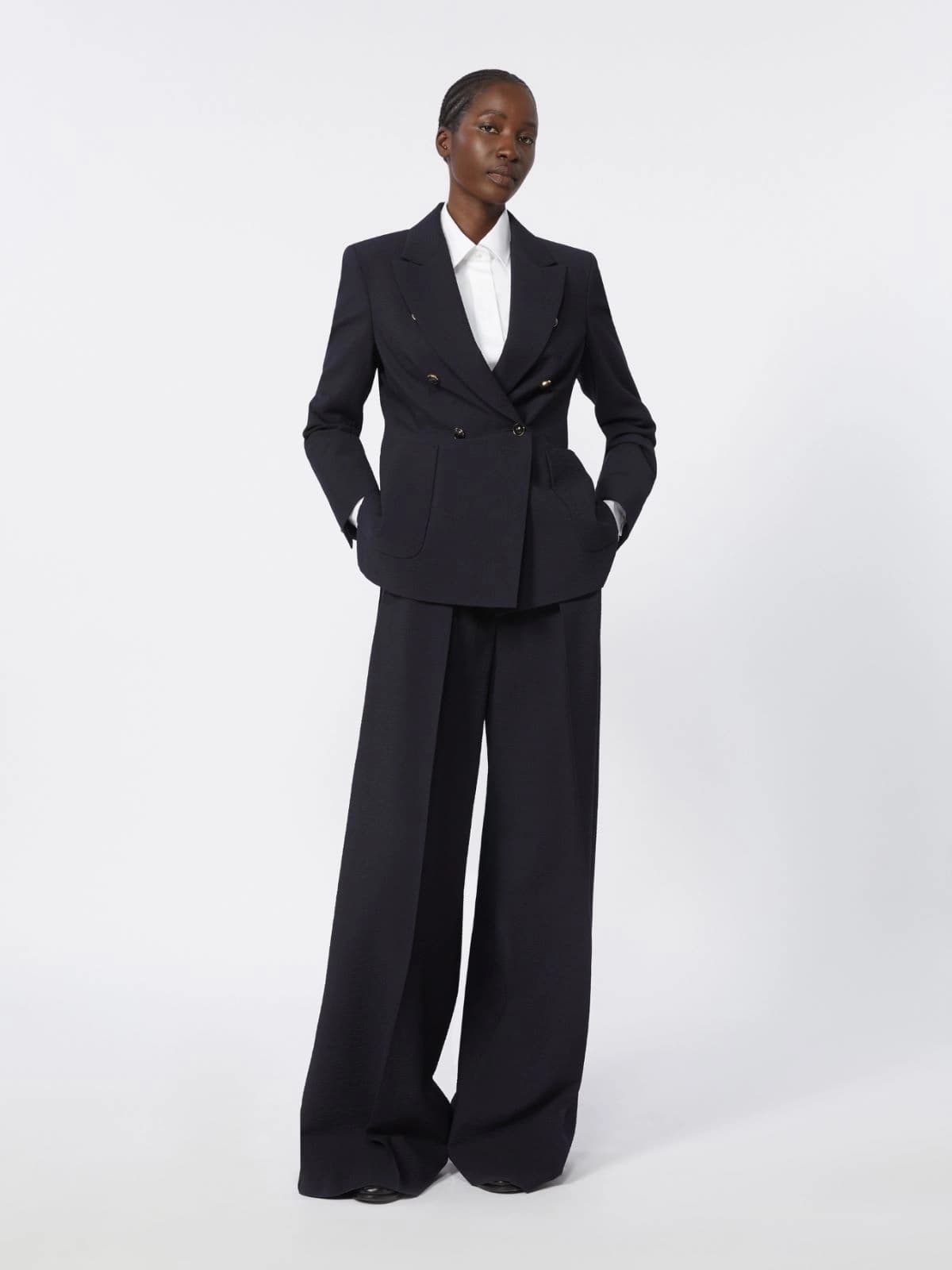
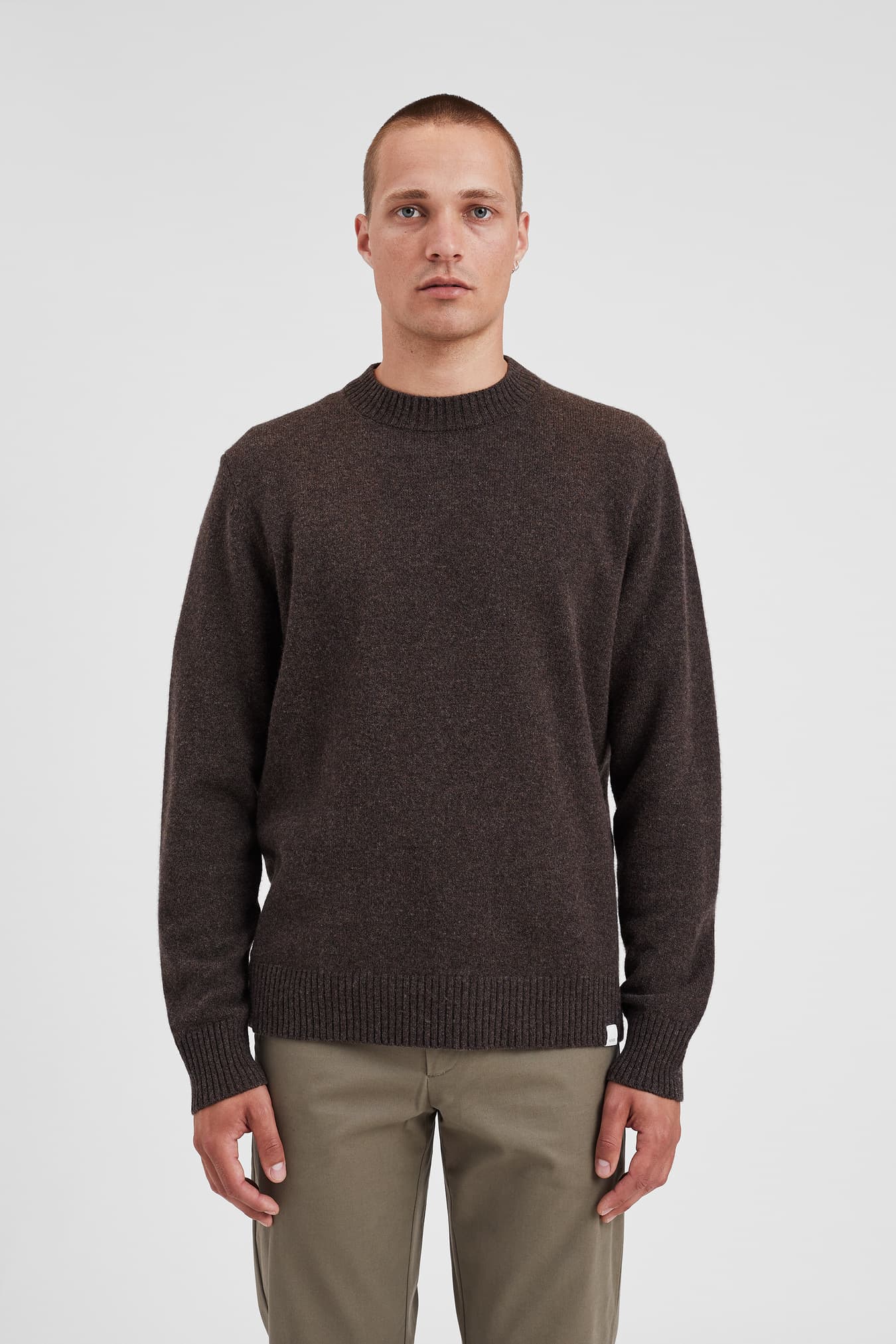
The biggest mistake people make with spring dressing is treating it like a clean break from winter. In reality, spring is a negotiation. The air can be cold in the morning, warm in the afternoon, windy at night, and damp in between. If your wardrobe only works in one of those conditions, getting dressed becomes a string of compromises.
That is why a strong spring wardrobe starts with function. Before you think about trend pieces or a new color story, ask what your week actually looks like. Do you commute early, spend time in over-air-conditioned offices, walk a lot, or deal with frequent rain? A spring wardrobe should answer those questions first. Once the practical structure is right, the style decisions become easier and better.
This is also the season when random purchases tend to creep in. A pastel knit, a light jacket, a pair of loafers, a printed blouse. None of those pieces are wrong, but they can quickly become isolated if they do not connect to what you already own. HiLo's point of view is useful here: the goal is not to collect good items one by one. It is to build a wardrobe whose pieces can support each other.
Think of spring dressing as controlled transition. You are editing winter weight out of the wardrobe while keeping enough structure, warmth, and polish to deal with inconsistency. When you frame the season that way, a spring wardrobe stops feeling vague and starts feeling buildable.