Style Guide

How to Build a Winter Wardrobe

Build a winter wardrobe with warm fabrics, effective layering, and outerwear that keeps daily outfits practical and cohesive.

Article summary

  • Use a three-part layering system so warmth, moisture control, and weather protection each have a job.
  • Build around wool, cashmere, flannel, corduroy, and durable outerwear instead of piling on random bulk.
  • Choose one heavy coat, one lighter outer option, strong knitwear, grounded trousers, and reliable boots.
  • Keep the palette tonal so winter outfits stay easy to combine even when the layers increase.
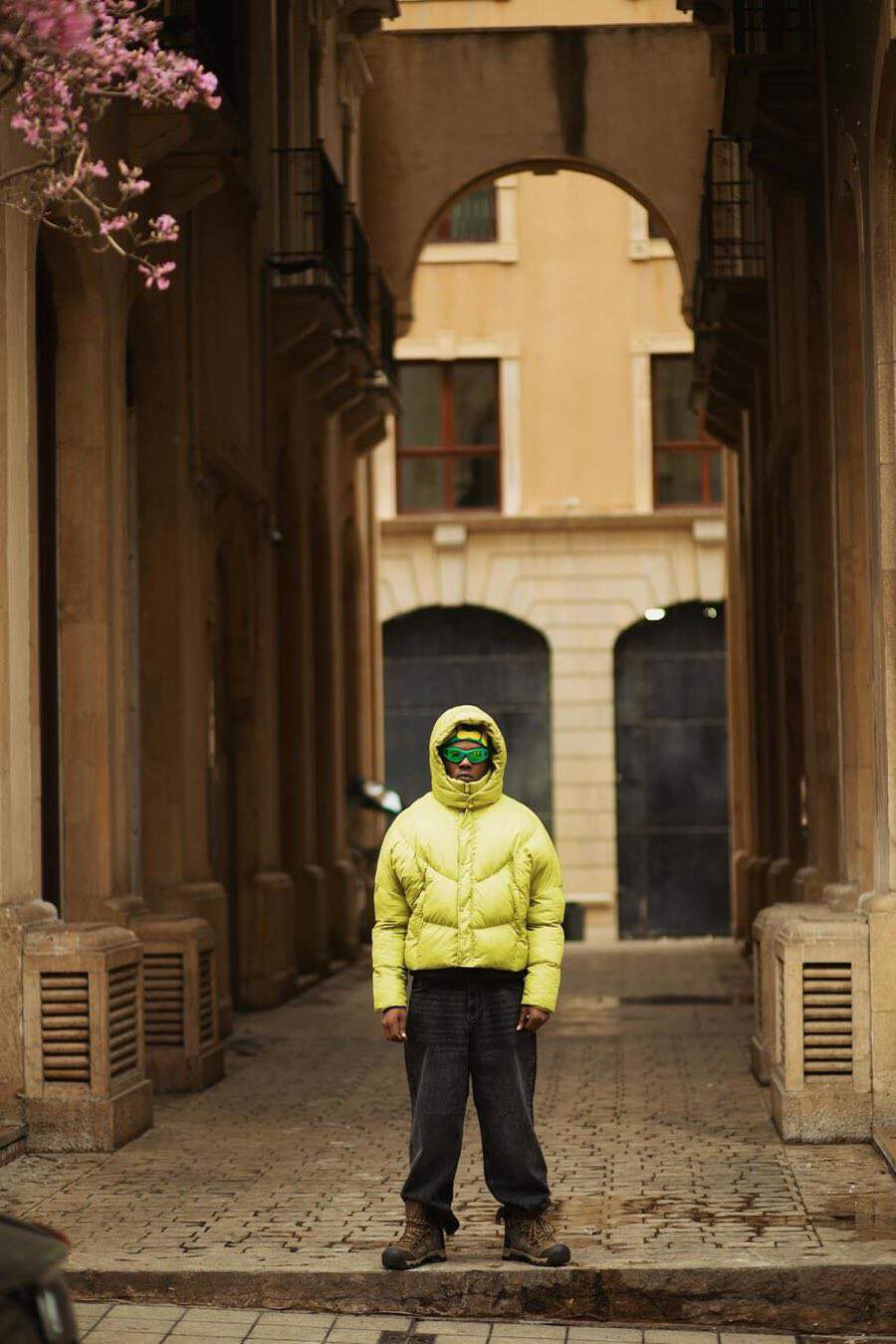
Winter outfit with structured outerwear and layered knitwear

Start with a real layering system, not just a heavy coat

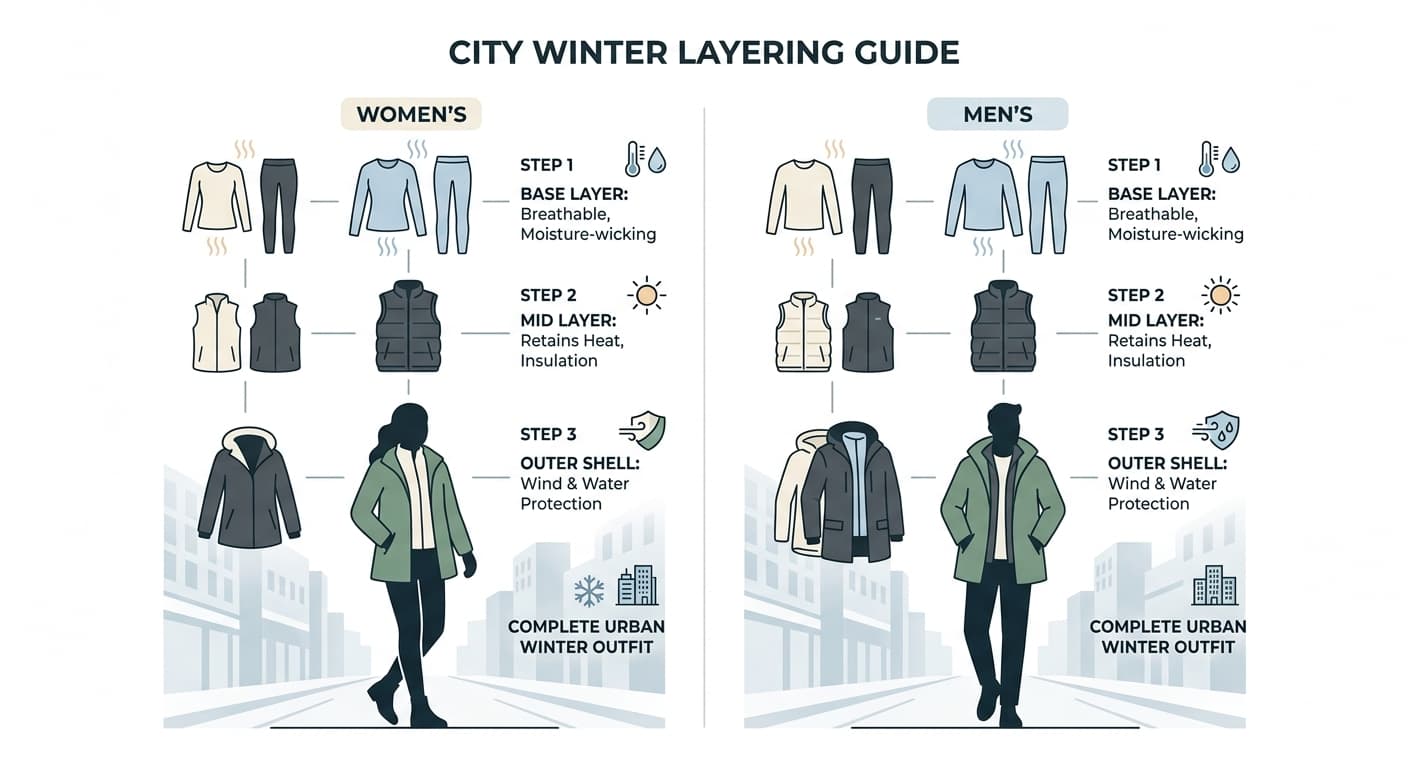
Winter becomes easier to dress for when each layer has a job. The base layer manages moisture against the skin. The insulating layer traps warmth. The outer shell blocks wind, rain, or snow. When one layer tries to do everything on its own, comfort usually fails somewhere.

This matters because winter discomfort is not only about temperature. Dampness, poor airflow, and bad fit make people feel colder faster. A wardrobe built around the layering system is usually both warmer and less bulky because each piece is solving a more specific problem.

Graphic showing winter base layer, mid layer, and outer shell system

Graphic showing how to create a complete winter outfit with different layers

Base and mid-layers should work harder than people think

Base layers are often ignored until they become the missing piece. Merino or high-quality synthetic layers help keep skin dry and reduce the clammy feeling that makes cold weather harder. Mid-layers then build warmth on top of that through knitwear, fleece, or soft insulating pieces.

The key is keeping those layers slim and useful. A well-chosen turtleneck, thermal, sweater, or fine knit can do far more than another oversized sweatshirt when the rest of the outfit also needs to fit.

Curated Product Recommendations

Elevated

COS

Seamless Merino Wool Turtleneck Top

Knitwear

Seamless Merino Wool Turtleneck Top
Elevated

KOTN

Men's Dahab Rollneck Sweater

Knitwear

Men's Dahab Rollneck Sweater
Staples

Province of Canada

Ivy Cable Knit Sweater Forest - Unisex

Knitwear

Ivy Cable Knit Sweater Forest - Unisex

Choose fabrics that warm the wardrobe without making it rigid

Winter fabric choice is where comfort and style meet most clearly. Wool insulates and handles moisture well. Cashmere gives warmth without much weight. Flannel softens tailoring and brings surface texture. Corduroy adds durability and a grounded cold-weather feel. These fabrics do not all solve the same problem, which is why a winter wardrobe benefits from mixing them rather than leaning on one category alone.

The goal is not the heaviest cloth possible. It is warmth with enough flexibility and drape to keep layers moving. A strong winter wardrobe feels insulated, not immobilized.

Macro comparison of wool, flannel, cashmere, and corduroy textures

Stack of wool sweaters, which help retain heat in the winter

Photo by Arina Krasnikova on Pexels

Outerwear should protect the outfit, not overwhelm it

A winter coat or shell needs enough room to layer under it, but it should still make sense with the rest of the wardrobe. One heavier statement coat that works with almost nothing is usually less useful than one dependable heavy coat and one lighter option that can handle milder cold or dressier situations.

This is where fabrication and weather logic matter. Wool coats, waxed outerwear, and shearling each create different kinds of protection. The useful question is which kind of winter you actually live in and dress for most often.

Curated Product Recommendations

Elevated

Alex Mill

Georgia Wrap Coat In Wool Alpaca

Outerwear

Georgia Wrap Coat In Wool Alpaca
Elevated

Alex Mill

Owen Barry x Alex Mill Amy Aviator Shearling Coat

Outerwear

Owen Barry x Alex Mill Amy Aviator Shearling Coat
Elevated

Alex Mill

Regent Jacket In Waxed Cotton

Outerwear

Regent Jacket In Waxed Cotton

Build a winter capsule around fewer but better layers

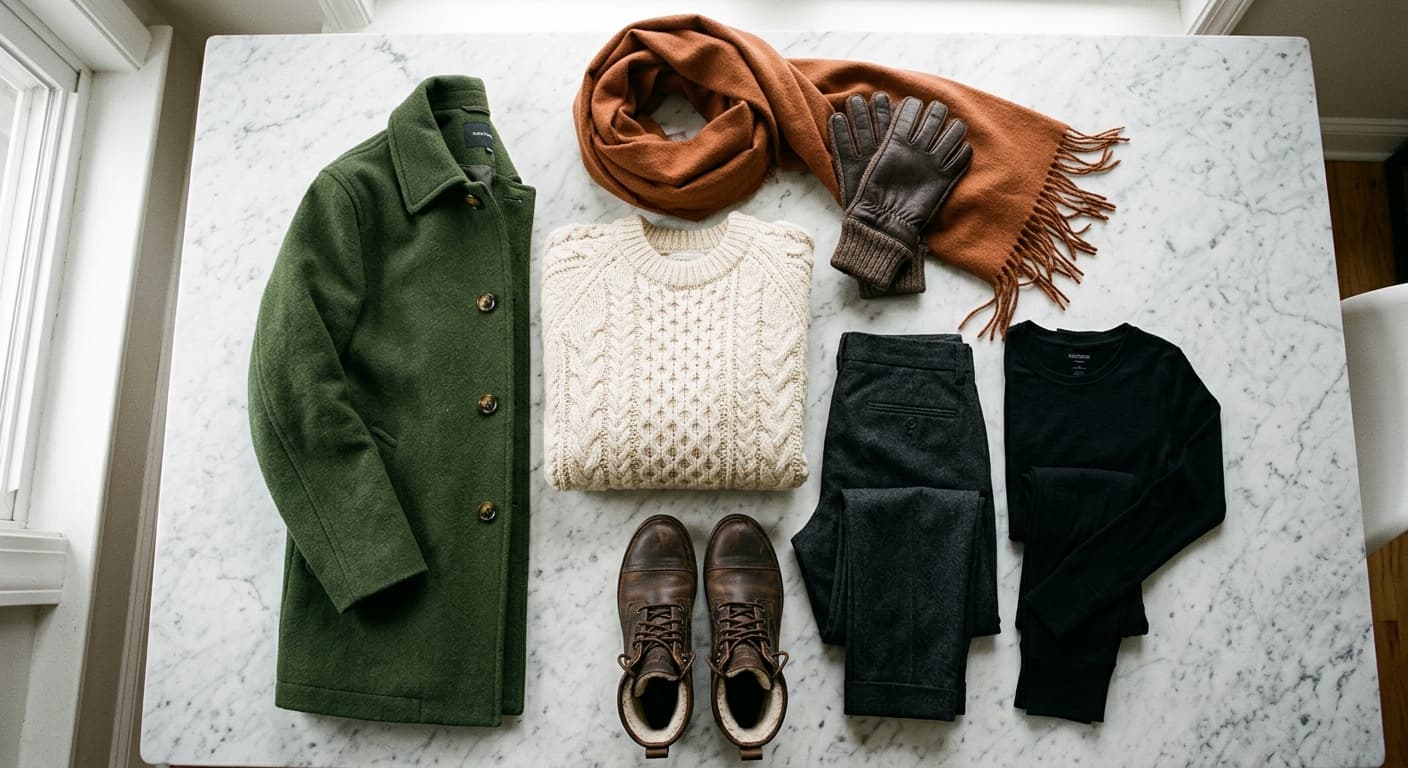
A strong winter capsule usually needs less variety than people think, but more consistency than they are used to. One heavy coat, one lighter outer layer, two or three knit options, one or two dependable trousers, base layers, strong boots, and a few practical accessories can cover a lot when the pieces genuinely connect.

This is why winter shopping should be especially skeptical of duplicates. Another heavy coat does not help if the base layers are weak, the boots are unreliable, or the knitwear does not layer cleanly under outerwear. Winter wardrobes improve fastest when the missing function is solved first.

Winter capsule flat lay with coat, knitwear, trousers, boots, and accessories

Winter capsule flat lay with a coat, knitwear, trousers, base layers, boots, scarf, and gloves

Keep the palette tonal so heavy layers still feel coherent

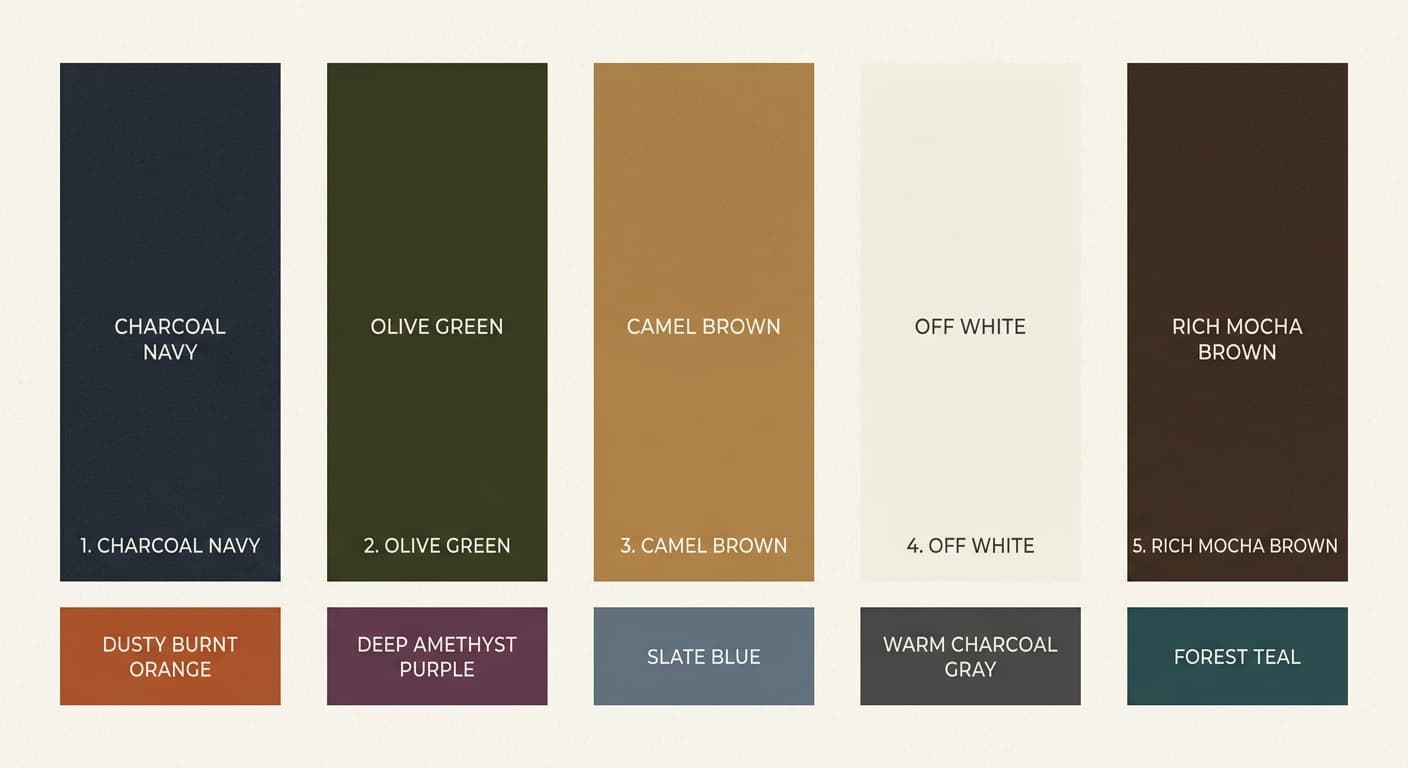
As layers increase, color simplicity becomes more important. Tonal winter palettes are useful because they help the outfit stay coherent even when several pieces are visible at once. Navy, charcoal, olive, brown, camel, off white, and black work especially well because they can shift across outerwear, knitwear, trousers, and footwear without forcing constant recalibration.

That does not mean winter should be colorless. It means color is easier to handle when it sits inside a stable framework. A scarf, glove, knit, or sock can add lift. The core of the outfit still benefits from staying grounded.

Tonal winter palette graphic with charcoal, navy, olive, camel, brown, and off white

Tonal winter palette graphic showcasing primary and complementary colors

Use outfit formulas to avoid bulky mismatched layering

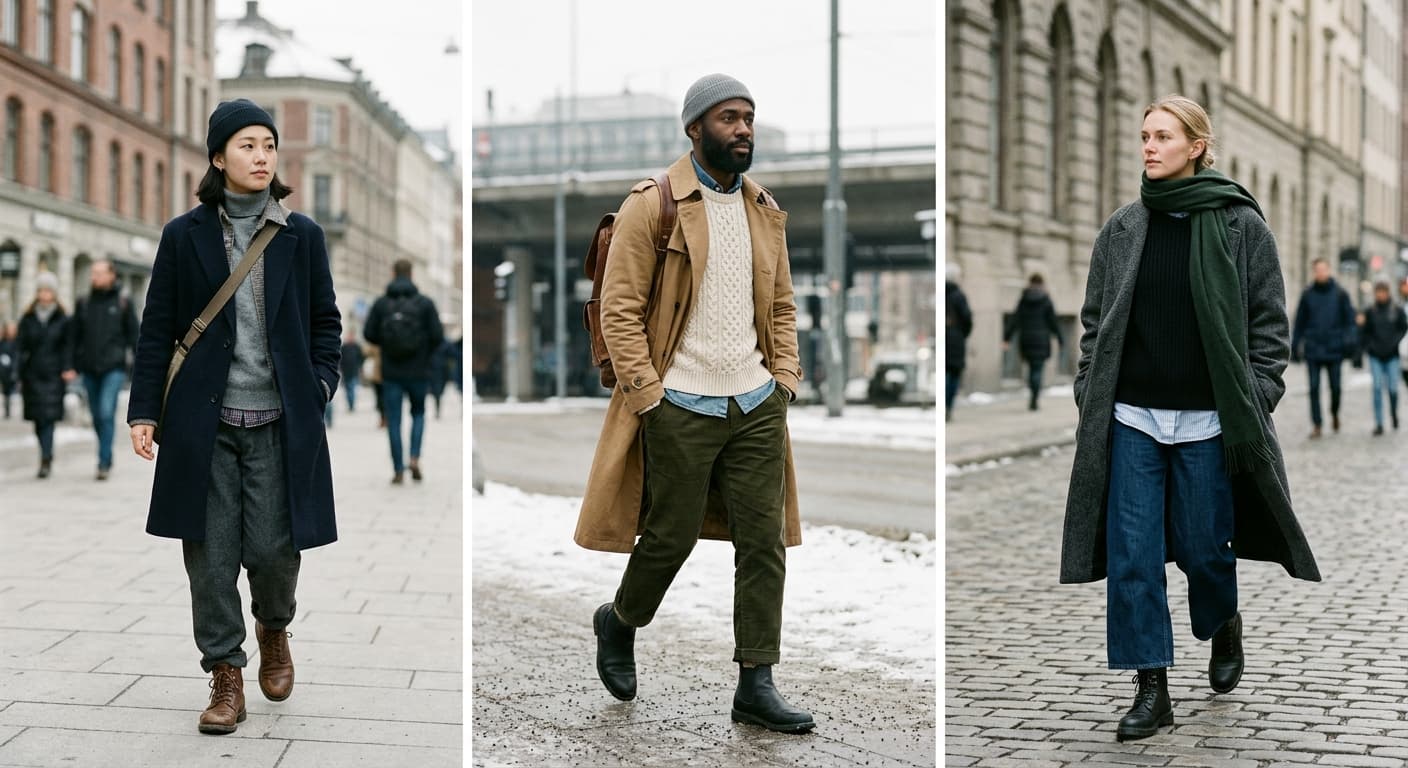
Winter formulas are what stop the season from becoming repetitive in a bad way. A casual formula might be thermal base, knitwear, waxed jacket or coat, wool trouser or denim, and service boot. A smart formula might be merino turtleneck, wool coat, clean trouser, and Chelsea boot. A harsher-weather formula might be technical or thermal base, insulating layer, weatherproof outer shell, and sturdier boot.

The point is not to memorize three exact outfits. It is to know what categories reliably work together so you do not have to solve bulk, weather, and proportion from scratch every morning.

Street style example of smart winter layering with coat, knitwear, trousers, and boots

Example of smart winter layering

Boots, trousers, and accessories finish the system

The bottom half of a winter wardrobe carries more weight than people often realize. Trousers need enough structure and warmth to support the rest of the outfit. Boots need traction, durability, and enough versatility to work across different levels of formality. Scarves, gloves, and socks are not afterthoughts either. They often decide whether the outfit feels complete or compromised.

When these finishing pieces are weak, the whole layering system feels less effective. When they are strong, winter dressing becomes much more repeatable.

Curated Product Recommendations

Elevated

COS

Women’s Pleated Barrel-Leg Wool Pants

Trousers

Women’s Pleated Barrel-Leg Wool Pants
Elevated

Meermin

Black Waxy Commander Service Boot

Footwear

Black Waxy Commander Service Boot
Elevated

Meermin

Dark Brown Calf Chelsea Boot

Footwear

Dark Brown Calf Chelsea Boot
Staples

Thief & Bandit

'Nightcrawlers' Silk Scarf

Accessories

'Nightcrawlers' Silk Scarf

Common Mistakes

Relying on bulk instead of system

More thickness does not always mean more warmth. Without moisture management and sensible layering, bulky clothes can still leave you cold.

Buying too many heavy coats

Winter wardrobes usually improve more from better layering, boots, and knitwear than from another statement outerwear purchase.

Ignoring base layers and socks

Cold-weather discomfort often starts with weak layers closest to the body. These pieces matter as much as the visible outfit.

Using unrelated colors in already heavy outfits

When several thick layers are visible at once, a chaotic palette makes the outfit feel heavier still. Tonal color usually creates more ease.

Practical Examples

Casual winter formula

Base layer, substantial knit, practical outerwear, grounded trouser, and service boot keep warmth and proportion aligned.

Smart winter formula

Merino turtleneck, wool coat, tailored trouser, and Chelsea boot show how winter polish usually comes from cleaner layers, not more layers.

Wet-weather winter formula

Moisture-managing base, insulating mid-layer, protective outer shell, and reliable boots solve cold-weather discomfort more effectively than one oversized knit.

Tonal winter dressing

Charcoal, navy, olive, camel, and off white work especially well because they let multiple heavy layers sit together without visual noise.

Product Call-Out Ideas

Winter layers worth prioritizing

  • merino base layer
  • substantial knit
  • weather-ready outer layer
  • wool trouser

Cold-weather accessories that matter

  • scarf
  • warm socks
  • gloves
  • beanie

Reliable winter footwear directions

  • service boot
  • Chelsea boot
  • weather-resistant sole
  • dark leather finish

HiLo Takeaway

A winter wardrobe works best when each layer has a purpose and each category supports the rest. That is how you stay warmer without dressing heavier than necessary.

If you build around strong fabrics, a few dependable outer layers, and repeatable formulas, winter dressing becomes easier, sharper, and much less wasteful.

FAQ

How many coats do I need for winter?

Usually one heavier coat and one lighter outer option are enough when the rest of the layering system is strong. Add a technical shell only if your weather or activities truly need it.

Are synthetic fabrics okay in winter?

Yes, especially in base layers and technical insulation. They can perform very well when moisture management or wet weather is a concern.

How do I layer for winter without looking bulky?

Use thinner high-performing layers, keep the base and mid-layers relatively close to the body, and make sure the coat has room without being oversized.

What fabrics are best for a winter wardrobe?

Wool, cashmere, flannel, corduroy, and other insulating fabrics are especially useful because they provide warmth, texture, and better cold-weather structure.

What boots are most useful in winter?

A sturdy service or weather-resistant boot and one cleaner Chelsea or dressier boot usually cover most cold-weather wardrobes well.

Related Guides

Keep reading

View all guides

How to Build a Fall Wardrobe

Build a fall wardrobe with textured layers, practical outerwear, and grounded colors that make everyday outfits easier to repeat.